
Reimagining Antigone
At Bravo Events, we’re always looking for ways to push beyond traditional staging and create fully immersive environments that draw audiences into the story.
For Wellington School’s recent production of Antigone, the brief was clear: move away from a conventional proscenium setup and create something far more atmospheric, intimate, and engaging.
Reimagining the Space
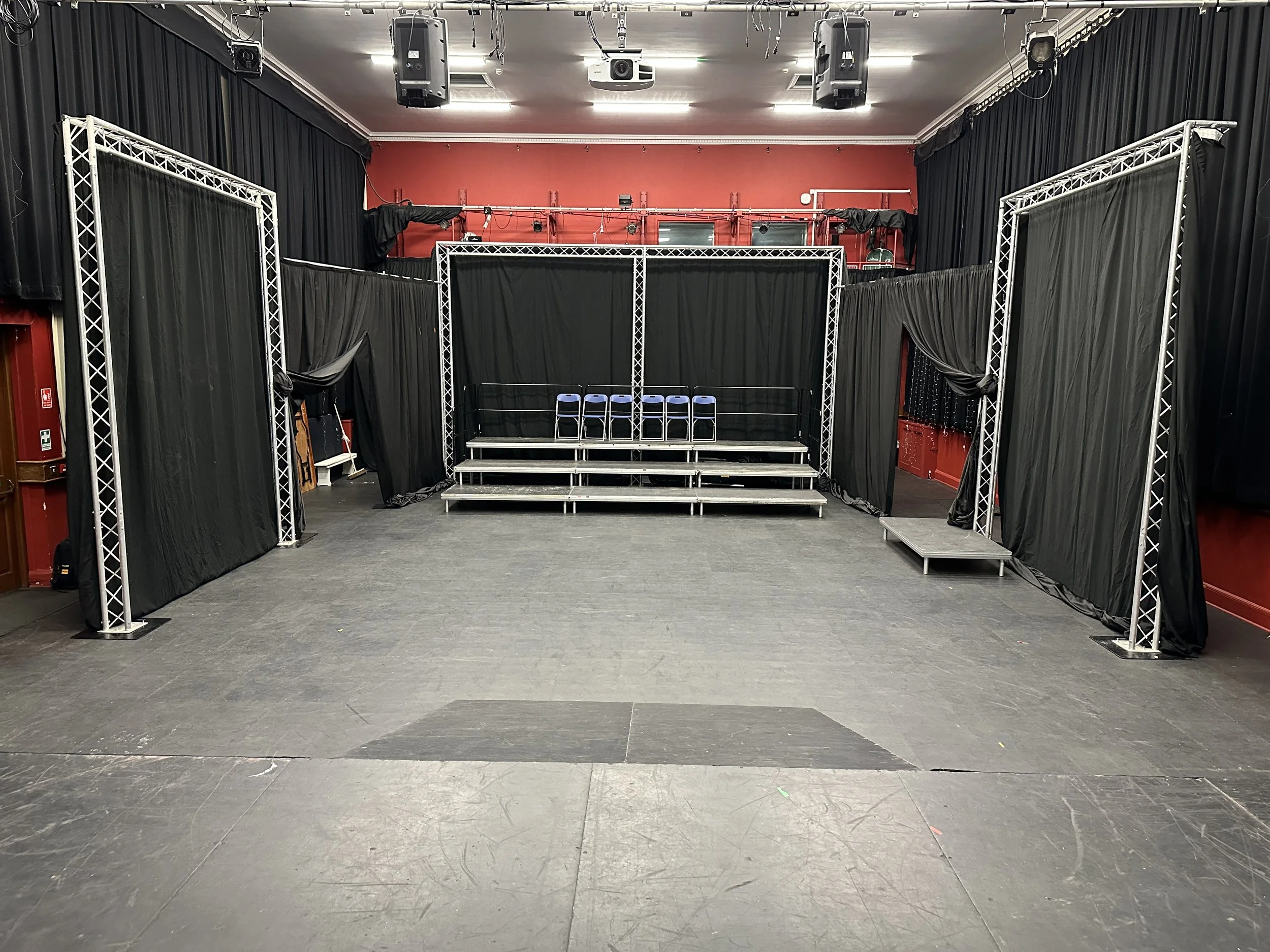
Building the framework: truss and black drape used to reshape the room and define the new performance space.
The starting point was a large hall designed for end-on performances. Instead, we transformed it into a traverse staging environment, placing the audience on two sides of the action and bringing them closer into the world of the play.
To achieve this, we effectively built a room within a room.
A full truss structure was installed to support lighting and infrastructure, while black draping enclosed the space. This not only created a more controlled environment but also allowed cast members to move unseen around the perimeter, making entrances feel unexpected and dynamic.
Designing an Immersive Environment
The production called for a dark, sensory experience — something that could be felt as much as seen.
We introduced:
A textured playing space using wood chip flooring, carefully installed with full floor protection beneath
Layered lighting designed to work at low levels and through haze
Low-lying fog to add depth and movement across the stage
Carefully placed practical elements including candles and scenic detail
The result was an environment that immediately transported the audience as they entered.
As the school described:
“Audiences were spellbound by the astonishingly dark and atmospheric production… an amazingly sensory experience.”
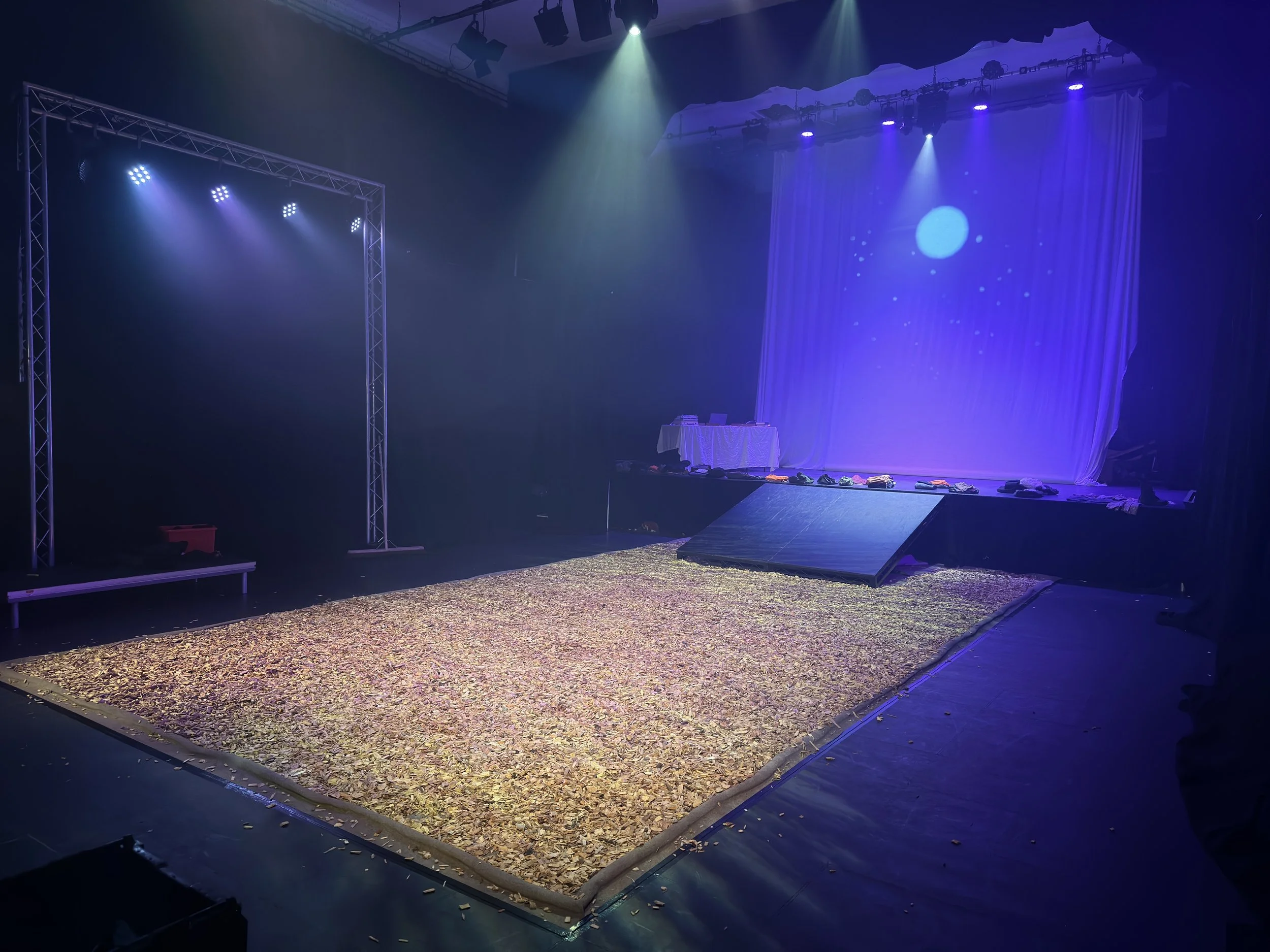
Reconfiguring the room from proscenium to traverse, bringing the audience closer to the action.
Technical Challenges, Thoughtfully Solved
Transforming a space like this comes with its challenges.
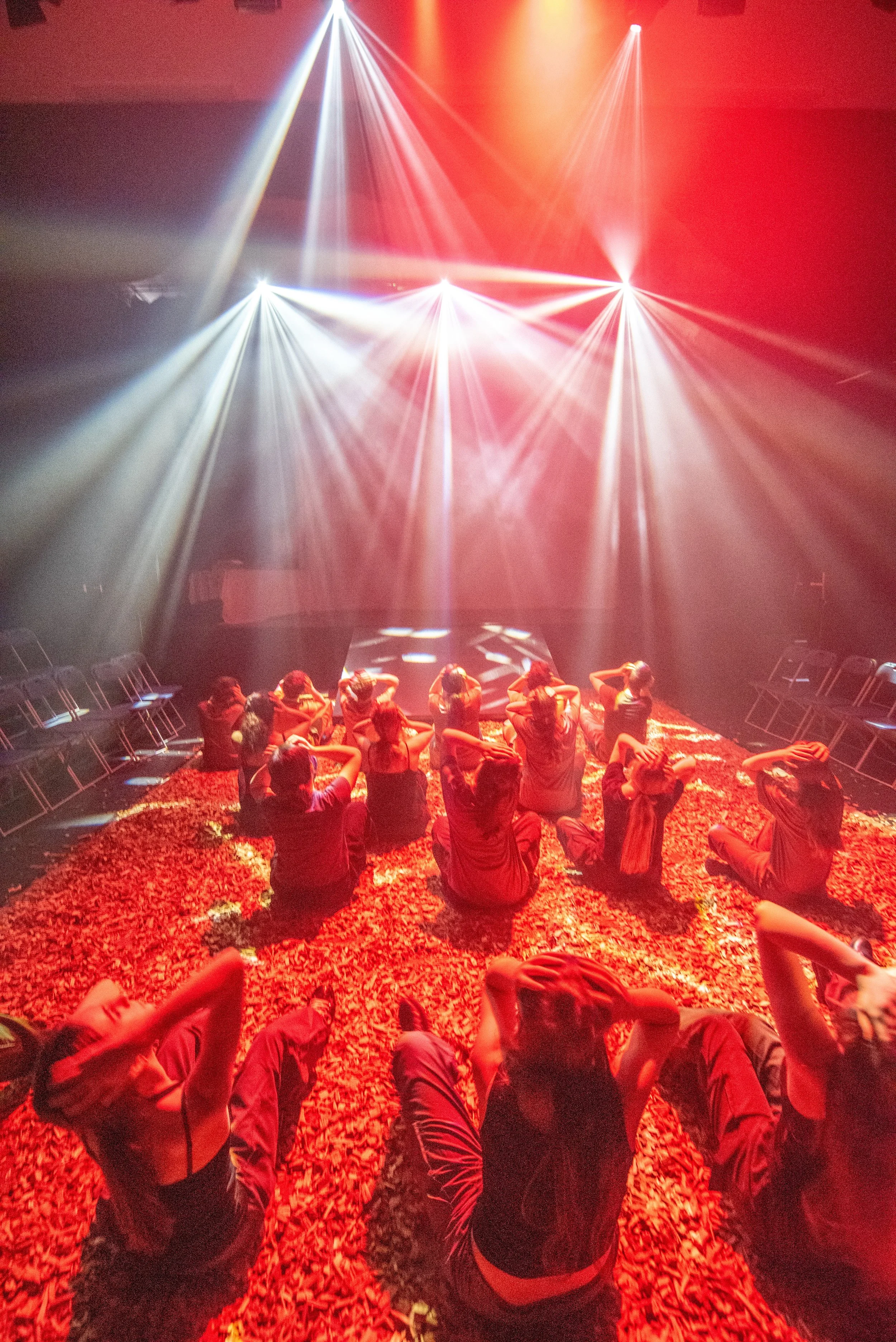
Lighting shifts driving the mood of the performance, transforming the space scene by scene.
Lighting a traverse stage required a completely different approach to angles, coverage, and balance. Every position had to work from multiple viewpoints without breaking the illusion.
The introduction of wood chip flooring also meant rethinking how we lit the stage surface — ensuring texture was enhanced without losing clarity or safety.
All infrastructure had to be discreet, with fixtures and rigging carefully positioned to maintain the immersive feel while still delivering a professional, reliable system.
Enhancing the Audience Journey
Immersive theatre isn’t just about what happens on stage — it’s about the entire experience.
From the moment audiences entered, they were met with scent, haze, and atmosphere. Pre-show elements, including a talk on the story’s context, helped draw them deeper into the narrative before the performance even began.
The result was a production that felt cohesive, considered, and impactful from start to finish.
A Memorable Outcome
The final production was described as:
“A fast-moving and intense production… truly a memorable experience.”
For us, it’s a great example of how thoughtful technical design can elevate a performance — not just supporting it, but actively shaping how it’s experienced.
Looking Ahead
Projects like this reflect what we do best at Bravo Events:
transforming spaces, solving challenges, and delivering immersive environments that audiences remember.
Whether it’s theatre, live events, or large-scale experiential productions, the approach remains the same — creative, practical, and built around the audience experience.
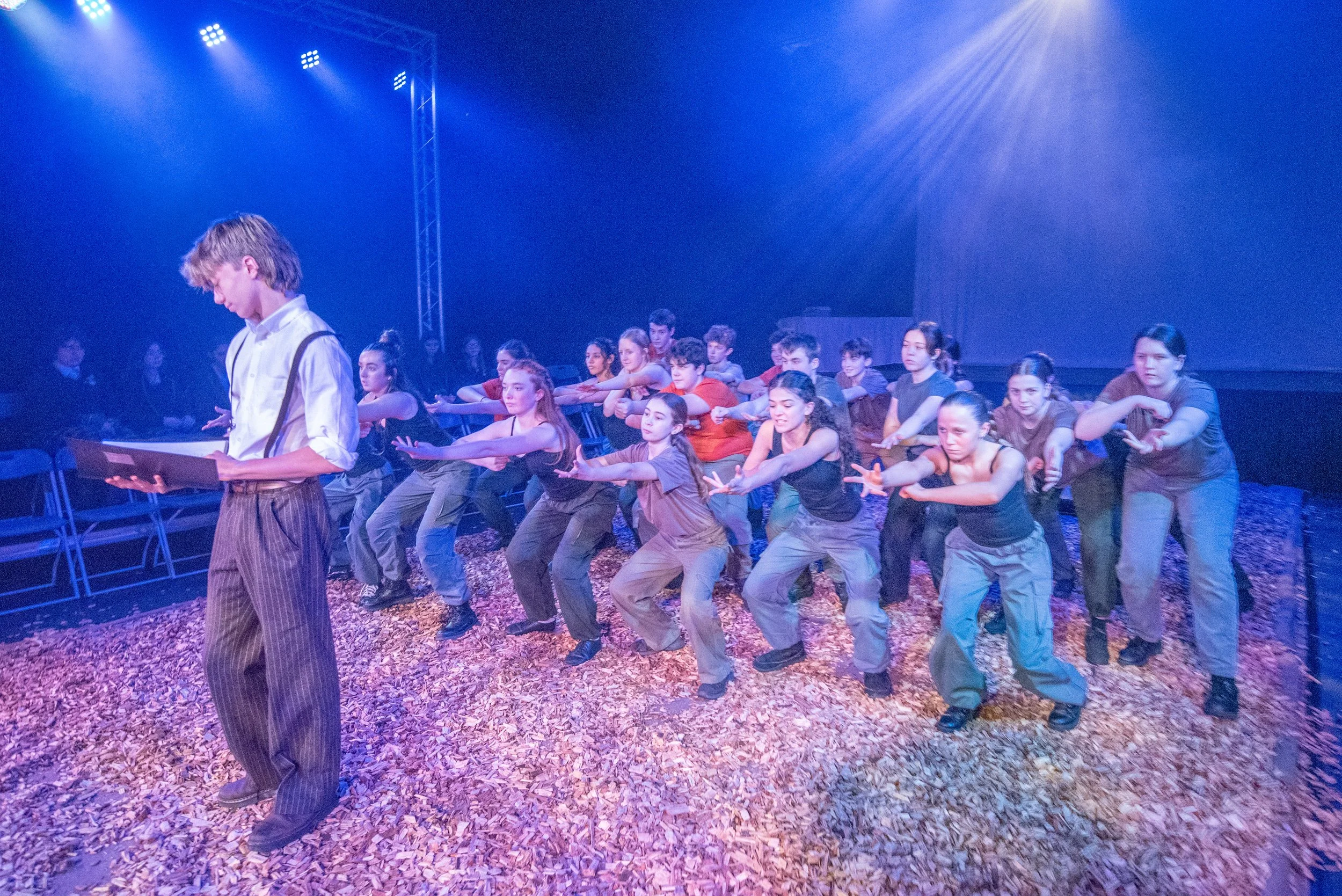
Dynamic lighting design working across a traverse stage, ensuring visibility and impact from every angle.
